






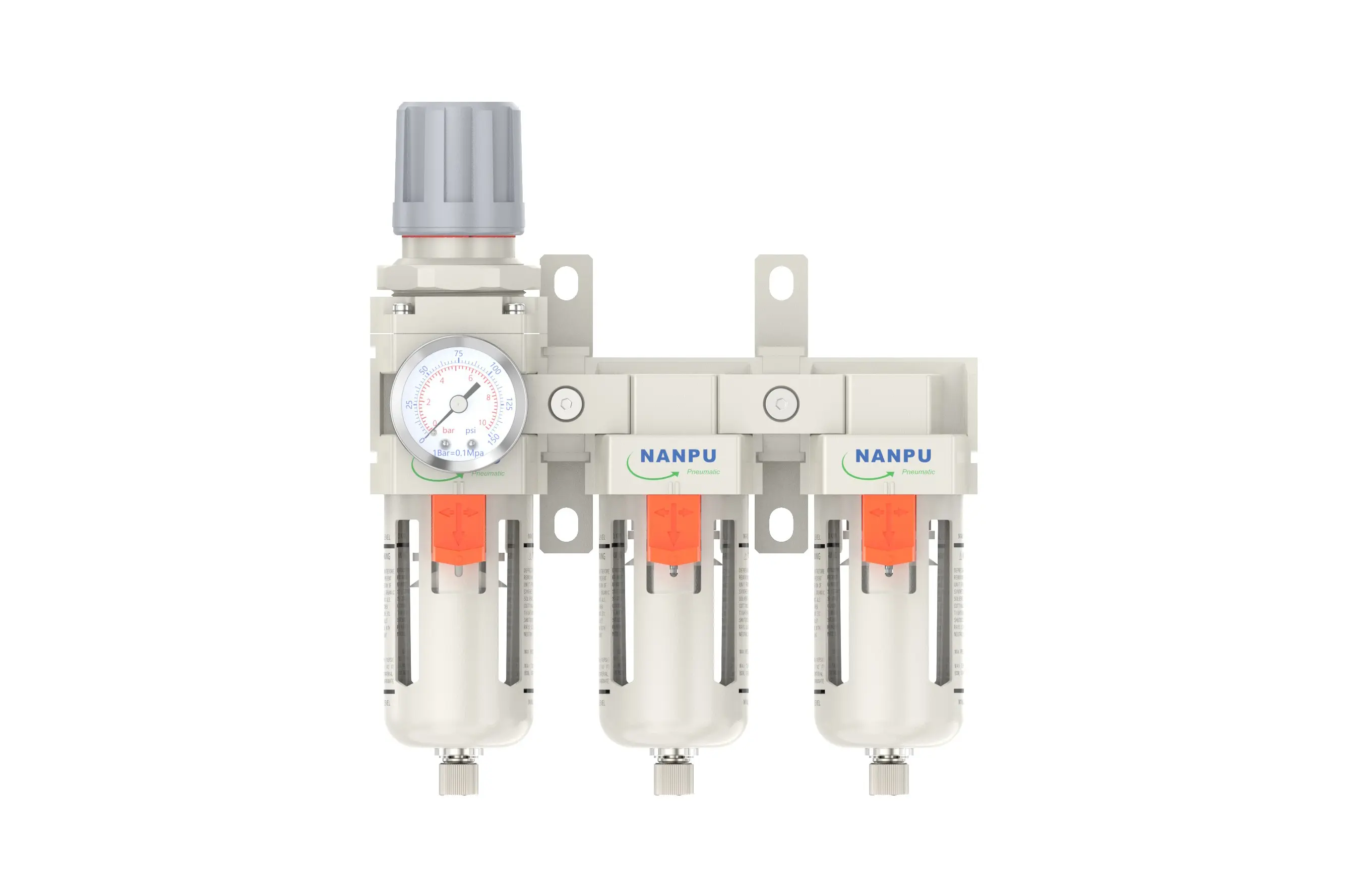
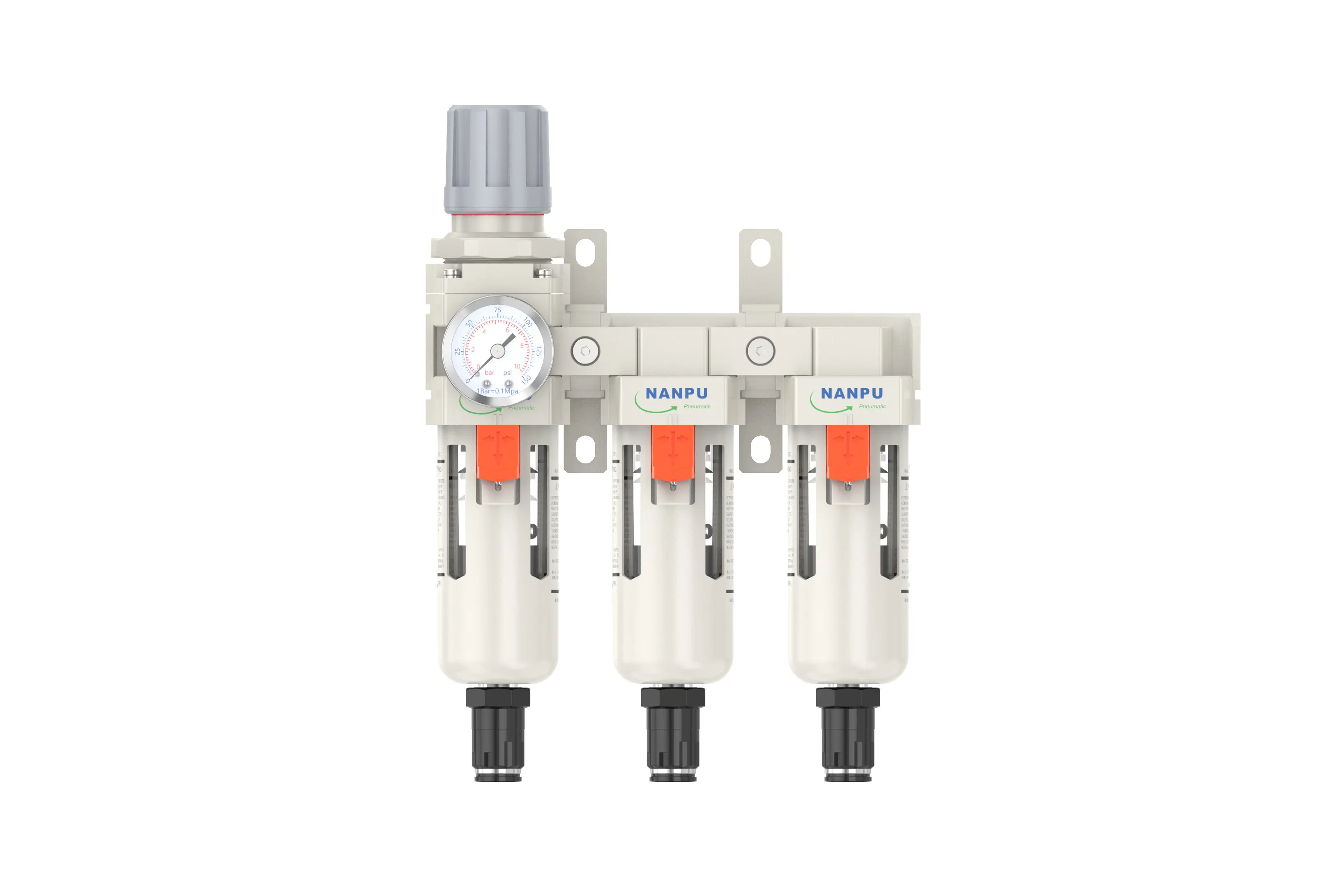

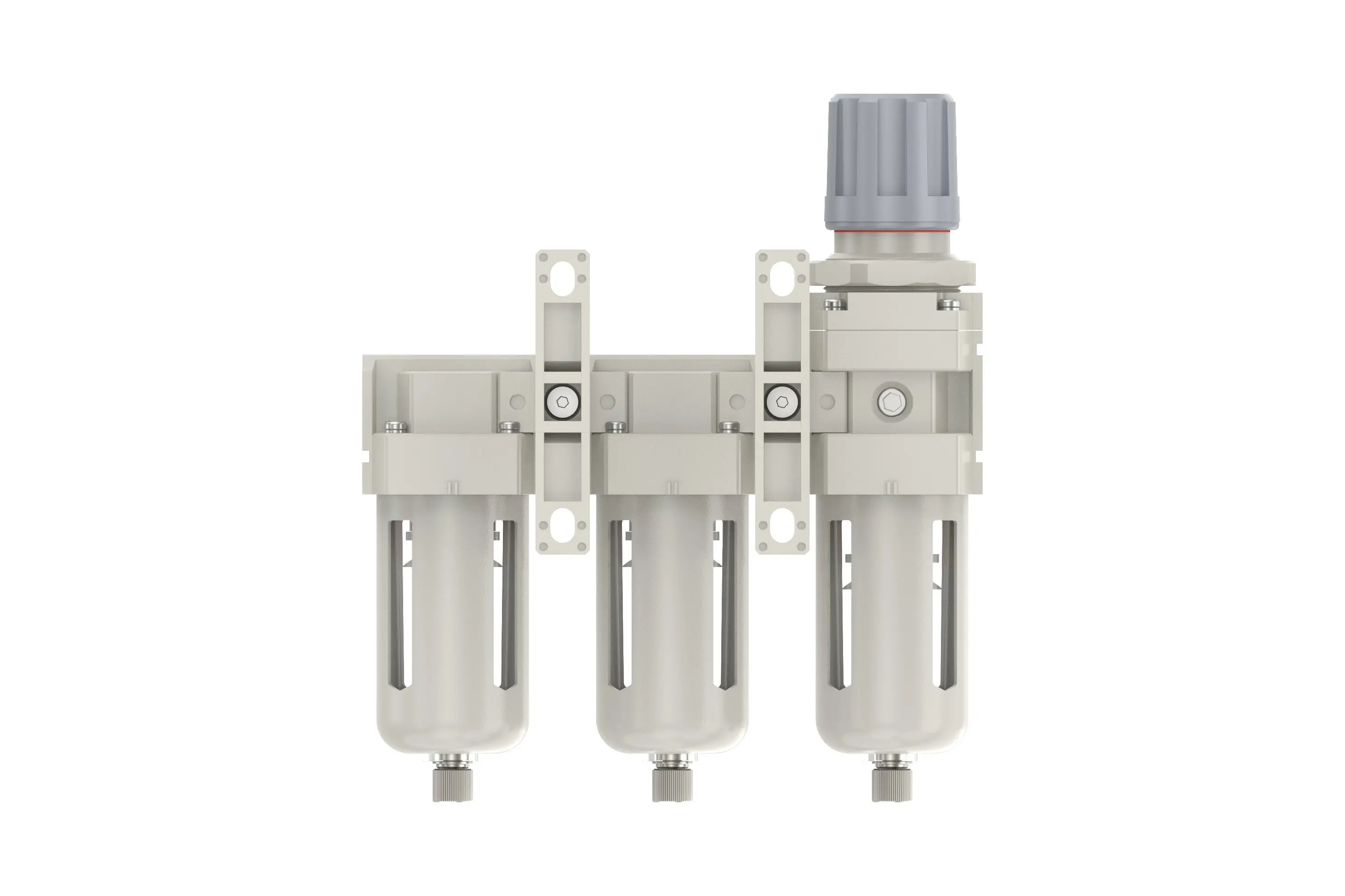
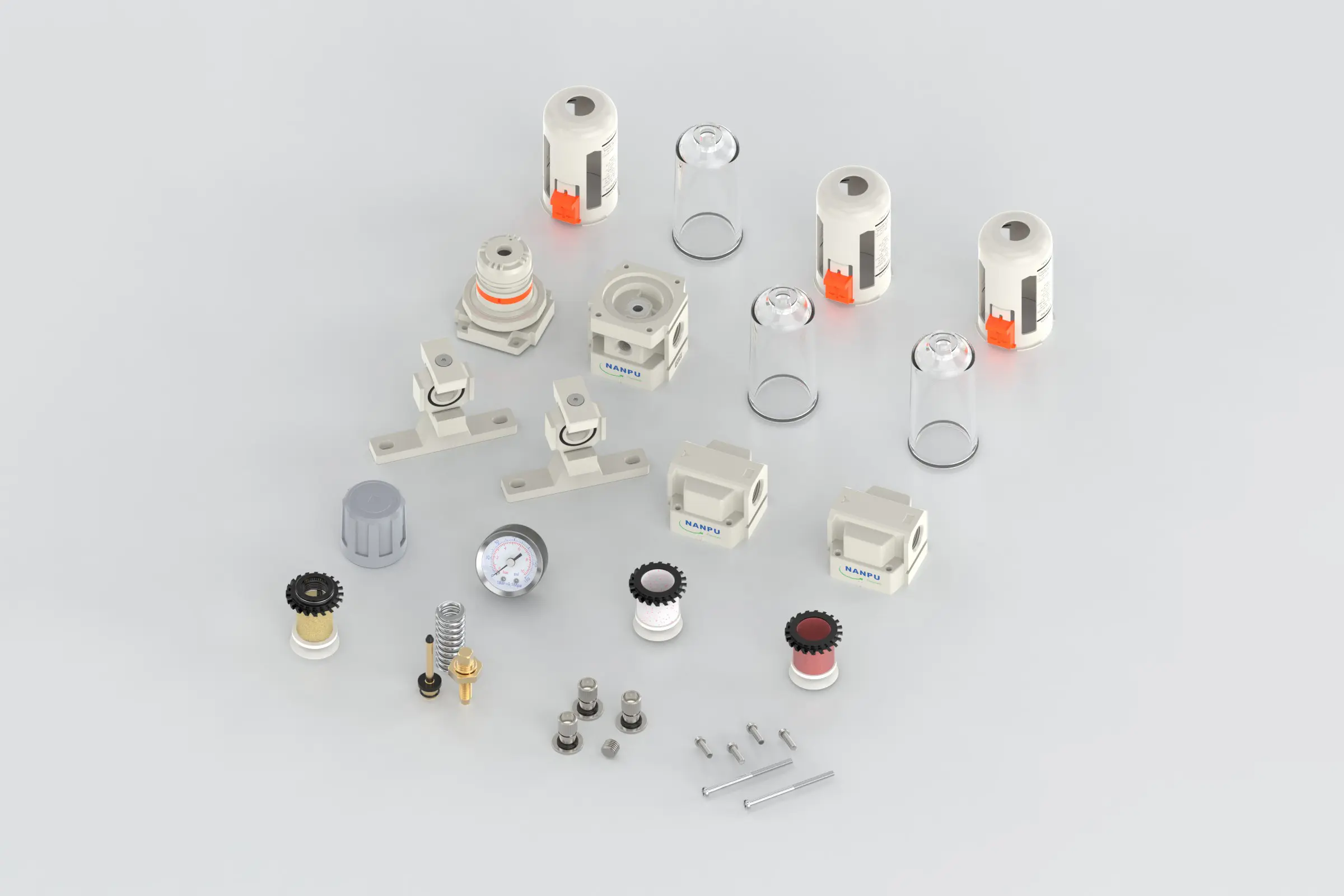
AWFF3010-03 3/8" AWFF4010-04 1/2" AWFF4010-06 3/4" AWFF Air Drying System Manual Drain&Auto Drain
description1
AWFF3010-03/AWFF4010-04/AWFF4010-06
Manual Drain AWFF3010-03/AWFF4010-04/AWFF4010-06 3/8" 1/2" 3/4"
Auto Drain AWFF3010-03D/AWFF4010-04D/AWFF4010-06D 3/8" 1/2" 3/4"
NANPUAWFF3010-03/AWFF4010-04/AWFF4010-06
| AWFF | 2010 | 02 | BSP | D |
| Series Number | Body Size | Port Size | Thread Type | Drainage Method |
| 2000 | 02:1/4" | BSP | Blank: Differential Pressure Drain | |
| 3000 | 03:3/8" | NPT | A: Manual Drain | |
| 4000 | 04:1/2" | PT | D: Auto Drain | |
| 4000/5000 | 06: 3/4" | |||
| 5000 | 10: 1" |
NANPUTechnical Specifications
| Model | Model | |
| Manual Drain | Auto Drain | (L/min)Rated Flow Rate |
| AWFF2010-02 | AWFF2010-02D | 500 |
| AWFF3010-02 | AWFF3010-02D | 2000 |
| AWFF3010-03 | AWFF3010-03D | 2000 |
| AWFF4010-04 | AWFF4010-04D | 4000 |
| AWFF4010-06 | AWFF4010-06D | 4500 |
| AWFF5010-06 | AWFF5010-06D | 5000 |
| AWFF5010-10 | AWFF5010-10D | 5000 |
| Max Input Pressure | 1.2Mpa{12.24kgf/cm²} /174.04Psi |
| Max Operating Pressure | 1.0Mpa{10.2kgf/cm²} /145Psi |
| Temperature Range | 5~60℃ |
| Filtration Accuracy | 0.01μm, 5μm, 40μm |
| Bowl Material | Polycarbonate |
| Bowl Guard | AC2000(None) AC3000~5000(YES) |
| Pressure Range | AC2000~5000/0.05~0.85Mpa(0.51~8.7kgf/cm² )/0~125Psi |
1. Preparation
All calibration components must be assembled to ensure compliance with the maximum flow specification. Prior to installation, it is essential to meticulously clean all ports and fittings. This procedure is crucial for preventing the ingress of dust and debris into the air pathway, thereby maintaining system integrity and performance.
2. Pressure Adjustment
To adjust the pressure, first elevate the knob of the pressure gauge. Then, initiate rotation: a clockwise turn will result in a consistent and gradual increase in pressure, whereas a counterclockwise rotation will cause a corresponding decrease. Once the desired pressure value is achieved, immediately cease rotation and firmly secure the knob in place. Omitting this crucial step can lead to pressure leakage, potentially compromising the system's functionality and safety.
3. Dial Reading
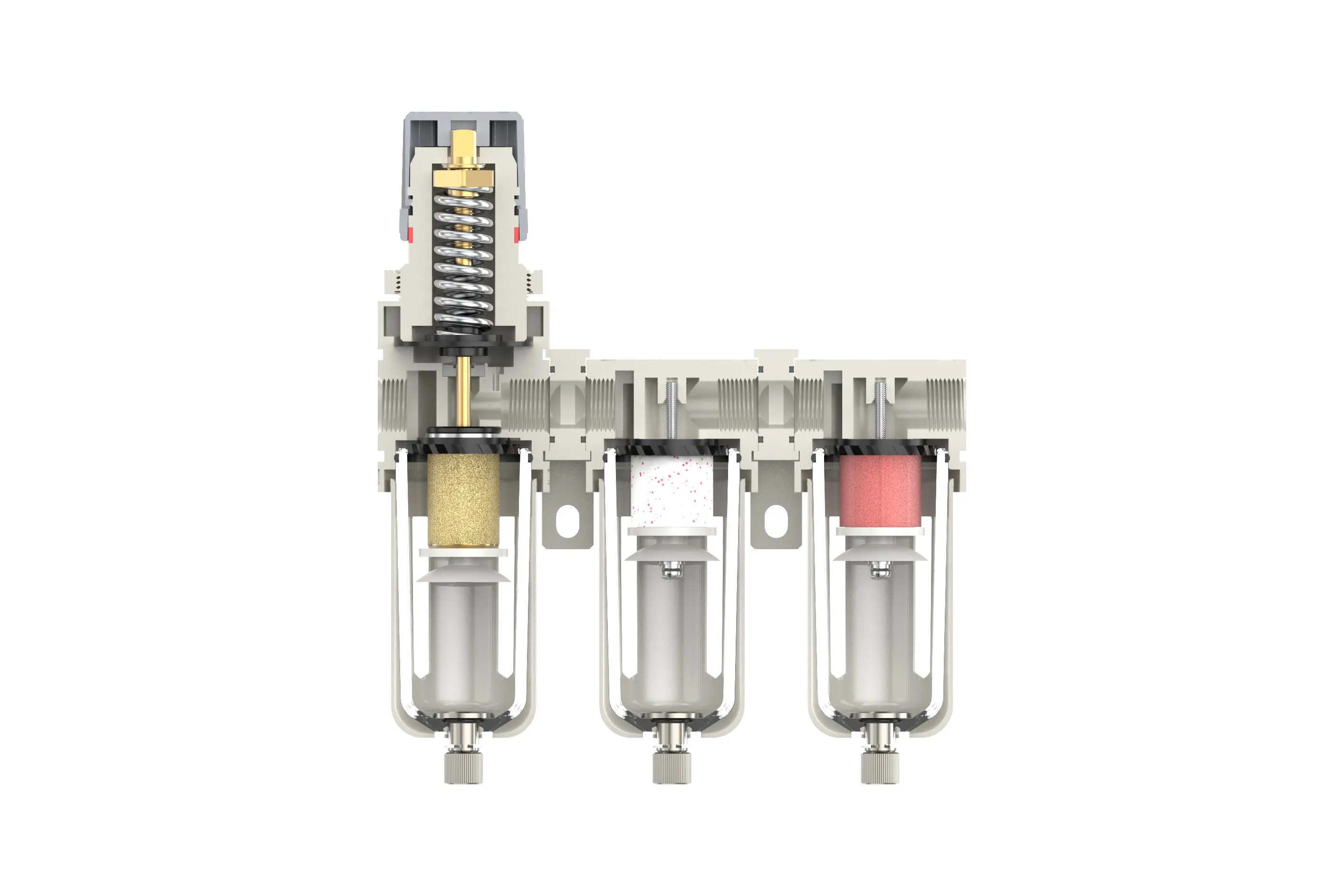
The 5 - micron brass filter element showcases exceptional filtration efficiency, boasting an extended operational lifespan and the ability to be reused, which enhances cost - effectiveness and sustainability.
The 0.5 - micron and 0.01 - micron filter elements are engineered to perform at a high level, adeptly removing minuscule impurities that could otherwise impact system performance.
The drainage column is equipped with a self - actuating mechanism. In the absence of pressure, it automatically discharges accumulated fluids, and seals shut when air flow is present. Should the water level exceed the predefined threshold, immediate drainage is imperative; failure to do so will result in suboptimal dehumidification performance and potential system inefficiencies.
4. Drainage
The drainage column is equipped with a self - regulating mechanism. In the absence of pressure, it automatically initiates the drainage process; conversely, it seals shut upon the passage of airflow. When the water level surpasses the designated maximum, immediate drainage becomes mandatory. Failure to perform this task will inevitably lead to suboptimal dehumidification performance and potential system malfunctions.
The connector on the drain head is designed for air hose attachment. It offers the flexibility to be detached or reinstalled as per specific operational requirements, enabling convenient system customization and maintenance.
It is imperative to utilize a wrench for tightening fittings to ensure a hermetic seal and prevent any potential leakage. During the initial installation, an expulsion of air may occur, which should not be misconstrued as a leakage issue. This phenomenon is a result of the pressure disparity between the internal system and the external environment, necessitating the release of excess air. In such instances, it is advisable to allow sufficient time for the system to stabilize. This patience will enable the system to reach optimal operational status.